Thursday, July 14, 2011

Feel Free In A Tree

Wiki defines ecotourism as responsible travel to fragile, pristine, and usually protected areas that strive to be low impact and often an alternative to mass tourism. The purpose of eco-travel is to educate the traveler and hopefully provide funds for ecological conservation.

There are common misconceptions about ecotourism. A luxury hotel placed in a spectacular landscape or a chic resort constructed on a pristine island do not signify eco-lodging. To the contrary, more often than not those newly erected edifices defy eco-travel because they ruin natural habitats, cause deforestation, and pollute the land. A snorkeling trip in a gorgeous blue lagoon can be an antithesis of everything eco, especially if you end up walking or touching coral reefs.

A few years ago the world watched in awe as Dubai towers rose on the edge of the Indian Ocean. Meanwhile the earth activists screamed about the coral reefs being destroyed and the entire marine ecosystem being decimated. Dubai architects built artificial islands – one in a form of a palm, another in the shape of a world map. The dredged up sand not only mudded the typically crystalline waters of the gulf of Dubai but buried the oyster beds and coral reefs in sediment. The Dubai miracle was also short-lived: originally intended to host custom-made hotel complexes and villas of the riches, the islands began to sink into the sea. The sands eroded and the navigational channels between them silted up.

There are some promising eco-travel sights. Time will tell whether the new Sweden Treehotel is indeed as eco-conscious as it appears to be. Located in Harads about 40 miles south of the Arctic Circle, the Treehotel is exactly what it stands for - a series of tree houses, or Mirrorcubes. A Mirrorcube is a lightweight aluminum box hung around a tree trunk and clad in mirrored glass so that the exterior reflects the woods, creating a camouflaged refuge. The windows give a 360-degree view of the surroundings, allowing the guests an unparalleled wildlife experience. The cube has everything a hotel can offer – a bathroom, a bedroom and a living room, and even a roof terrace. There’s no elevator to whisk you up though – the access is by a rope bridge. The marketing motto is: “Feel free in a tree.”

I hope it is as eco-friendly as it sounds. 

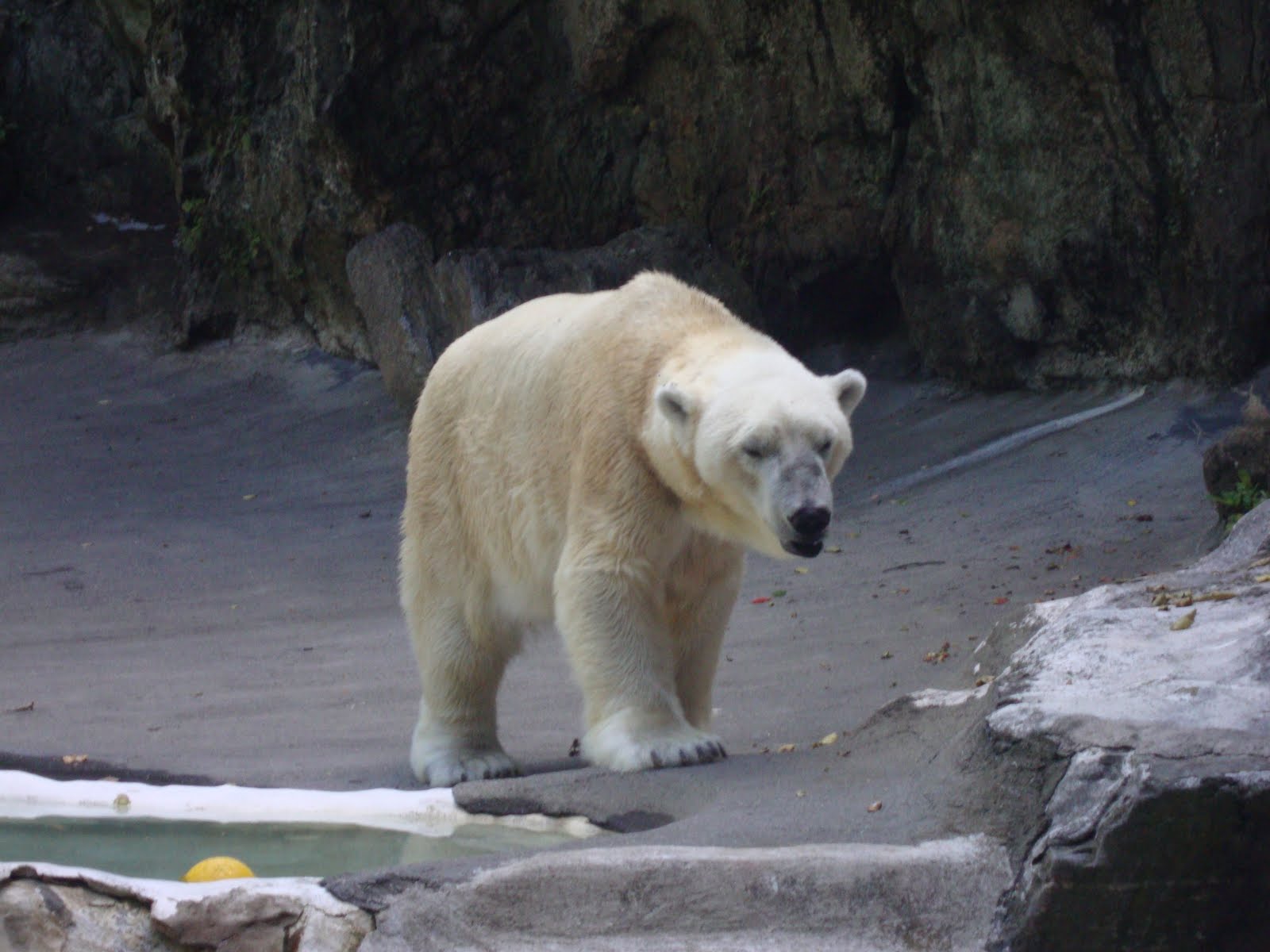
Just look into those blue eyes!

Wednesday, July 13, 2011

Eco-Capital in the U.S. Capitol

Let’s face it – travel is not really the most environmentally friendly hobby you can choose. And where I live, in the Washington, D.C., metro area, we’re not particularly known for our eco-friendly ways. But say you’re one of the 15 million tourists visiting the nation’s capital, and you want to limit your impact on the environment. What are your options?

You can start by choosing an eco-friendly place to stay. According to Frommer travel guides, “Washington, D.C., was the first major city to require developers to adhere to guidelines established by the U.S. Green Building Council.” Many hotels go the extra step of using eco-friendly practices or even "adopting" parks that they then maintain. The Willard Intercontinental, for instance, relies only on renewable energy.

The Kimpton chain of hotels has 140 hotels in the country’s most visited tourist spots, with 11 of them in the D.C. area. They take their impact on the environmental very seriously. They use only organic and/or recycled products – from their cleaning supplies, to the ink in their printers, to the stationary and soaps they stock in your room. They donate old towels, linens, plastic bottles, TVs, mugs – even partially used shampoos and conditioners – to local charities. They recycle everything, and whenever possible, use only recycled products. They don’t even keep telephone directories or maps in their rooms; you have to access those online.

Likewise, with their restaurants. Their menus feature local, organic, and sustainable foods, and the company’s a stickler, right down to not offering condiment packets. I’d love to go and on about this awesome company, but if you’re interested, you can read more about them here.

(Photo by AgnosticPreachersKid)
The nation’s capital also boasts the much-lauded Restaurant Nora, the country’s first certified organic restaurant, which according to its web site, is one of only four U.S. restaurants with that certification. The famed restaurant takes its name from its Austrian owner, Nora Pouillon, whose menus feature a list of produce currently in season at the top and a list of farmers and growers from which she gets her ingredients on page two. (Notice I didn’t say distributors; Nora uses only locally grown and farmed ingredients.) If you like her food or can’t make it to D.C. in the near future, check out her book, Cooking with Nora, a Julia Child Cookbook Award finalist.

D.C. boasts a variety of other eclectic and award-winning eco-eateries: seafood restaurant, Hook, was named by Bon Appetit magazine as one of the country’s top 10 eco-friendly restaurants. Equinox, where Michelle Obama celebrated her birthday, uses ingredients grown within 100 miles of the restaurant.

Java Green and CafĂ© Green, Sticky Fingers Bakery, Science Club, and Blue Duck Tavern are other eco-friendly places to eat. Check out their links too – they tell some interesting stories. (For example, Java Green uses wind power; one of Sticky Fingers’ female founders left to front a rock band known as the Iron Maidens; the Science Club got its name because it looks like a laboratory; and Blue Duck features all hand-crafted furniture plus a wood-burning oven.) 

So now you’re staying in an eco-friendly place and eating eco-friendly food. How do you get around? Washington, D.C., is infinitely walkable with great public transit (that in itself is trying to become more eco-friendly, with many Metro buses now running on compressed natural gas instead of diesel). If you’re over 16, you can take in the city’s great national treasures using segways, which are pretty ubiquitous these days. If you need to trek farther out, an enviroCAB hybrid taxi can get you there. Or consider renting a bike to get around -- we have an abundance of trails and bike paths.

Great Falls, along the Potomac River, is a state park of both
Virginia and Maryland, about 15 miles from D.C.
In addition to some of the country's finest cultural and historical offerings, you might be surprised by all the lovely greenery that D.C. has to offer. The same city planner who designed Versailles, Pierre L'Enfant, designed this city full of parks, roundabouts, and gardens, preserving and highlighting all of its best natural elements. Of course, this was well before cars came along, so his careful design from during the horse-and-buggy days, along with the population explosion since then, has had a not-so-friendly byproduct – lots of traffic congestion.

Still, it's one of the most livable metropolises in the world. At least, we think so.

Tuesday, July 12, 2011

Leaving Footprints, Taking Memories

High Camp. Mera Peak, Nepal
During the 90’s and the 00’s, I worked in the tourism industry, specializing in trekking and mountaineering around the world. The two companies I worked for were forerunners in eco-tourism—they turned their office practices from paper files to electronic ones before it was commonplace, and they made sure every staff member in the office and out in the field, adhered to a strict code of ethics regarding low-impact tourism. 

This method of conducting business now seems standard with adventure tour companies around the world. Sure, there are a few that disgrace the industry, but I can happily say, most of the companies I’ve dealt with have embraced the philosophy of looking after the pristine environments people pay big bucks to visit. A quick search of the web will reveal a wealth of companies all stating they are eco-friendly, offer low-impact tourism, and so on, but how does one distinguish the truth from the sales pitch? 

Here’s a list of points to consider when deciding which company to book with next time you want to undertake adventure travel in the wilderness:

Does the travel company have a responsible tourism policy? Every company will have a different policy, but the types of things a company should do is make sure the natural and cultural values of the host region are not compromised. A lot of responsible companies work closely with conservation and rehabilitation groups to ensure the area travelled to is not under any threat from outsiders. If you ask for details, the company should be able to provide them for you.

What is the company’s level of engagement with the locals? Companies should employ local staff, services, and suppliers where possible. This approach assists in sustaining local business, bringing income to the local communities, and growing the region overall. It also reduces the carbon footprint by ensuring people and goods are not brought into the region when they’re not necessarily needed. 

Is a cultural exchange encouraged? The travel company should encourage and provide opportunities for the locals and visitors to interact and get to know each other.

What contributions does the company make to the host community? Some companies have special projects in which their employees and/or travelers, spend time in disadvantaged communities to help upgrade facilities such as education, water access, and health. You should also check if the company funnels money into the community for projects such as educating the locals about conservation or health. This information is usually easy to find as most travel companies are happy to promote their involvement, and it’s not uncommon for well-respected companies to have endorsements from organizations such as the World Wide Fund for Nature, or to have been nominated for awards because of their eco-tourism practices.

Uros Islands, Peru
Does the company offer cultural guidelines? Because some parts of the world have strict religious or cultural rules, a responsible company should provide all travelers with a list of what is and isn’t acceptable, in travelling to those regions. The tour guide should ensure that every traveler adheres to these guidelines.

How frequent are the tours and how big are the groups? Check to see if the company runs trips that have small numbers of participants, and how often the tours are. If the company runs trips on a weekly basis and the groups are large, chances are, they’re not considering the impact of tourism on the environment. For example, the growth of the trekking industry in Nepal has resulted in some regions being trashed because of too many trekkers. Eco-friendly companies have gone in to help clean up the mess, and a lot have banded together to petition the government to limit the amount of trekkers a region can have per year. 

Online forums: These are the perfect place to garner information from people who have been there and done that. People on these forums are usually happy to share their experiences, and by asking detailed questions, you’ll quickly learn if the company you’re considering is eco-friendly. Beware of review sites, though, as people who frequent those are usually disgruntled customers who may have a slightly skewed view. It’s usually easy to tell who is complaining because they can, or if someone has a genuine reason. The secret is to ask lots of questions to lots of people so you can get a good idea as to how a particular company fares when it comes to eco-friendliness.

Alli and guide near Aswan, Egypt
When I lived in Peru years ago, the Inca Trail was choc-a-bloc year round. There were no restrictions, and people could go it alone or travel with a local tour company. Some of these companies were dodgy and you could tell they’d been through the area by the amount of rubbish left behind. But the government finally wised up a few years back and put restrictions as to how many people can walk the trail at one time. Now it’s limited to 500 trekkers for the multi-day hike and permits need to be booked months in advance, whereas before 2002, anyone could rock up the day before and get a permit. The only way to trek the Inca Trail these days is by booking with a licensed tour company or employing a registered guide. The hard-core travelers have complained for years about it, but after witnessing the destruction of non-monitored trekking, I agree with the government. As always with life, it only takes a few inconsiderate people to destroy it for everyone else.

So next time you’re considering a trip into the wilds, do some research, ask lots of questions, and enjoy your adventure, happy in the knowledge you’re doing your bit to preserve the culture and nature of your chosen destination.

Monday, July 11, 2011

Hug a Redwood

I’ve always been a tree hugger. As a kid, I loved to roam the New England woods behind my house and visit my tall, silent friends: maples with their hand-shaped leaves and the ability to deliver sweet sap in the spring, oaks that turned a fiery red in autumn like the quintessential Burning Bush, black birches whose twigs tasted like toothpaste and made my mouth feel fresh and clean. There were pines with soft needles and balsam firs that made nicely scented Christmas trees when snow blanketed the ground. But none of these excursions into the eastern forests of my youth prepared me for my first sight of a California redwood.

These majestic giants grow all over the coastal mountains near my home (there’s even one here in the city, towering over my neighbor’s backyard). Redwoods stand in groves with tall, straight trunks and dense canopies clustered at the top. Wandering among them is a truly mystical experience, and there is nothing quite as mesmerizing as sunlight filtering through the high branches, misty rays slanting to the ground.

Two hundred years ago, old-growth redwoods covered two million acres of California terrain. But logging and development decimated ninety percent of these trees. We have the park service to thank for preserving the remaining stands of redwoods in national, state, and regional parks; it’s now illegal to cut down a redwood on California’s public lands.

Although we talk about redwoods as though they were all one species, there are actually two kinds. Giant sequoias (Sequoia gigantea) are the most massive living things on earth. They grow mainly in the Sierra Nevada mountains on the eastern border of the state, and the really old ones can measure as much as 30 feet in diameter.

The coastal redwoods (Sequoia sempirvirens) are the variety that thrives in the cool, foggy climate that dominates my corner of the state. These trees grow all along the Pacific coast from Oregon down to central California. Although coastal redwoods can’t match their giant cousins in girth, they boast a different world record by being the tallest living things on earth (close to 400 feet, compared to 300 feet for the giant sequoia). All redwoods have a potential life span of 3,000 years. Boggles the mind, doesn’t it?

Here are some of the best places to view California redwoods:

Yosemite National Park: One of the oldest wilderness parks in the United States, Yosemite is best known for its waterfalls, glaciers, and unique cliff formations (El Capitan and Half Dome). But Mariposa Grove at the southern end of the park has 500 mature giant sequoias.

General Sherman redwood
Sequoia National Park: Located south of Yosemite, this is the best place to see giant sequoias. Check out the Giant Forest, where you will find the world’s largest specimen, which goes by the name General Sherman. This part of the park also has easy hiking trails that wind through the redwoods for a better view.

To see some of the world’s tallest trees, you’ll have to head northwest to the Redwood National Park (which is also a World Heritage Site) in Humboldt County, near the Oregon border. The current record holder is a coastal redwood named Hyperion (379 feet tall), which unfortunately stands in an undisclosed location and is therefore not available for public viewing. During your visit to this park, you can also tour the Avenue of the Giants along Highway 101 and drive your car through a tunnel in a single redwood tree.

Muir Woods: This is my least favorite place to see redwoods, mainly because it is right across the Golden Gate Bridge from San Francisco, and its proximity to the city means that the paths are often crowded. But if you're planning a trip to San Francisco and don’t have time for explorations farther afield, Muir Woods will satisfy your redwood fix very nicely.

Henry Cowell State Park
So where do I go when I get a yen for a relaxing stroll under the peaceful giants? Henry Cowell State Park, located in the Santa Cruz Mountains (near Felton). This park has hiking trails, a campground, and a picnic area, but I head straight for the 1-mile loop that passes beneath some of the prettiest redwoods anywhere in California. I like to set out early in the morning when the air is still crisp and the light muted. I’ll sit on a bench under the trees, close my eyes and empty my mind until my senses fill with the piney scent of the redwood needles, the light touch of a breeze on my cheek, and the soft sounds of small animals going about their daily routines.

Stop by some day and I’ll take you there.

Friday, July 8, 2011

Off The Beaten Track: An Arctic Adventure

My nephew Steven, my then-teenagers, Eric and Minetta,
and I in our bug-protective gear preparing to load our canoes.
Dr. Lanice Jones is a Canadian family physician, world traveler, and adventurer in every sense of the word. This week, she shares another one of her many adventures with us.

“What about the Thelon, Mom?” my fifteen year-old daughter and sixteen year-old son questioned. It was mid-May 2006, and we’d been studying maps and reading books about Canada’s Arctic for months. We’d signed up for canoe lessons, bought life jackets and paddles, dry bags, and a new tent in anticipation of a family canoe trip, when suddenly my husband of thirty years ran off with another woman.

“We’re going, kids. I don’t know how, but we’re going to do it together,” I encouraged. “Dad isn’t the only one who can have adventures!”

Caribou crossing the Thelon River. 
I’d fallen in love with the Arctic at seventeen, when I’d worked my first job at a fishing camp in Canada’s North-West Territories. Ever since, I’d dreamed of exploring the Thelon River, Nunavut’s longest river, home to muskox and caribou, barren-ground grizzly and wolves, and I wasn’t going to give up that dream. We’d find a way!

I called my nephew Steve, begging him to be our fourth paddler. Meanwhile, I spent two months drying food, packing dry bags, and a food barrel. The work was therapeutic as I triple-checked meals and gear, too focused to dwell on the great rift in my heart. There would be time for grieving during the weeks on the water, where we’d be entirely alone for weeks at a time.

Our float plane taking off after leaving us
alone in the Arctic wilderness....
We were dropped off by float plane, just east of Warden’s Grove. Black flies and mosquitoes swarmed against our bug shirts, protecting us from being eaten alive as we pushed our way through thick bush to pay homage to the place where John Hornby and his young nephew died of starvation “overwintering” on the Thelon in 1927.

Our time on the water was idyllic as we paddled with the current, searching for a glimpse of muskox or caribou, or trailing a fishing line to supplement our dried food. But land was another matter. I’d spent five summers of my youth in the Arctic, and while I didn’t like the bugs, I viewed them as a necessary evil.


My vegetarian daughter caught
the biggest jackfish!
However, Steve and my kids hated the constant swarm. We’d prepare to land by tugging on our gloves, tightening down our pant legs, and zipping up our bug shirts. We’d have races to see who could get their tents up quickest, then two would prepare the dinner while two would make a cook fire. When dinner was ready, three would enter the dining tent and undertake “the kill,” swiping as many bugs as possible with a handkerchief while the last person would pass through the food and dash inside.

By early August, the wind was kicking up, blowing away the swarm but making paddling difficult. As we approached our pick-up spot, where the Thelon entered Beverly Lake, thunder clouds piled up from the North, and a howling wind tore at the canoes. My son, Eric, and I hugged the lee shore, digging in our paddles, to pull forward a few feet while the wind clawed us backward. We could see where we needed to be, but it took us an hour to paddle a few hundred feet. Meanwhile, Steven and my daughter, Minetta, had taken a different tack and ended up on the windward side of the river, fighting against breaking whitecaps as they strove to close the gap between us. I prayed silently for Steven’s strength to hold as he dug his paddle deeply against the savage water that threatened to drive him and Minetta back to the far shore. It seemed to take forever for them to cross the river, and Eric and I waded into the water to help beach their canoe against the wind.

Eric and I use a tent fly to set a sail on a downwind day.
We were holed up by the wind for four days. We explored empty wolf dens dug into the eskers, long low hills of sand left behind by the retreating glaciers. We scrambled up a pingo, a hill of frost pushed up out of the muskeg and covered with vegetation, gaining a view of the endless tundra stretching in all directions. We even built a hot rock sauna in a sheltered cove using willow branches and our tent flies, warming ourselves after a brisk dip in the river.

Finally, the wind dropped, and in the evening, two motor boats churned up the river, their wakes glistening like silver. Our canoes were tied down safe for pickup at a later date, while we tossed our gear in the fishing boats, eager to get a few miles in before the full dark. A day later, we pulled up to the shores of Baker Lake, our new Inuit friends welcoming us to their community for our last night in the Arctic.

Eric compares his hand to a huge grizzly bear print left on the shore
where we had a swim, made dinner, and quickly left again!
As we shared a simple meal, we talked about the life on the land. Our hosts listened and nodded as my kids described how they’d cooked a meal on a beach covered with grizzly paw prints larger than the prints of our own feet then left the area spotlessly clean as we packed up and canoed downstream for five kilometers to avoid any nocturnal visitors. They described how they’d learned to cook a fish using spruce bows as nature’s grill, and how Steve had taught them to use a map and compass first, before being allowed to check their position with a GPS.

I looked at my sun-burnished crew, glowing with health and the joy of living so close to the earth, and while my heart would feel bruised for years to come, I was also filled with the love and pride of my family and what we’d accomplished on our Arctic Adventure. 

Thursday, July 7, 2011

Milk, Honey, Liver, and Bone Marrow

Ask any Russian grandma, hot milk and honey cures everything from a sore throat to a stomach flu to pneumonia. Some people firmly believe that milk also saves one from food poisoning or any other kind of toxic exposure. While the Western world has deemed lactose intolerance as a well-known digestive issue, the Russkis certainly didn’t get the memo.

I never liked milk because I never felt good after drinking it, but a couple of tablespoons of honey made the cup a torture. To me the two didn’t work together at all – the mixture tasted terrible, unpalatably sweet, thick, and overwhelming. But I got sick a lot during those long and cold Russian winters so I was forced to consume liters and liters of the concoction, working hard not to throw up in the process. I don’t think it bestowed any effect on me aside from gastronomical misery, but my family firmly believed in its syrupy magic. It still tasted better than another horrible folk remedy fusion – milk with a whipped raw egg. That witch’s brew was supposed to chase away your cold. And perhaps replace it with Salmonella.

I was fifteen when I had terrible laryngitis and completely lost my voice – a day before a school play in which I had a major part. In utter devastation, I tried every remedy I knew – from hot mustard patches to vodka shots. Nothing worked.

“Have you tried milk and garlic?” my friend asked on the phone. “Huh?” I wheezed back at her. “Never heard of that crap. How does it work?”

Five minutes later, I was peeling cloves and grinding them to mush. When I scored half a cup, I heat up milk, mixed the two together, and stared into the mug in sheer horror. The potion was mind-boggling and smelled disgusting. Yet my future stardom was on the line. It was worth the experiment.

I don’t know how I forced down my fantasy drink because it tasted like poison. It must’ve been one for it certainly killed a bunch of germs in my throat, and very fast too. I regained my voice in less than five minutes. It was kind of hoarse and gruff, but it was still a voice!

There were some weird health-inducing substances I liked though. My grandmother used to split chicken bones after they cooked in her soup, scoop out the bone marrow, and feed it to me. She said it produced red blood cells, so I, a skinny pale kid who looked like an anemic loser, could benefit from some. She had a similar belief about boiled liver – it raised hemoglobin, and mine was low. I didn’t mind either one, there was something appealing in both; perhaps they indeed possessed some nutrients my body needed.

My American family makes fun of my childhood-acquired tastes. To this day, I like cracking poultry bones for the dark-brown substance. And I always fork out the little juicy bit when I order Osso Buco. Foie gras and terrines remain my guilty pleasures, for which I get a fair share of nagging from my animal-loving friends. Russians still believe that chicken and goose livers clean out and “beef up” your own. Perhaps this is my excuse. Oh yeah, and the low hemoglobin too.

Tuesday, July 5, 2011

Warding Off The Winter Gloomies

This week’s post is rather apropos for me. For the past two weeks I’ve been feeling like death warmed up (yeah, cue the violins). I have one of those horrible winter bugs that can only be kicked with rest and healthy food. For those of you in the middle of summer, I’m sure it’s hard to imagine gray skies and rainy days, but believe me, it’s very real for those of us in the southern hemisphere right now. Rather than wallow in misery, I choose to be proactive. The Mayans, Aztecs, and Incas seemed to have it all worked out in the healthy food stakes, so here’s what I’m having for dinner tonight:

Purple Corn: It’s still grown in Peru and was once a staple of the Incas. Purple corn is now popular in other countries, including Australia (yep, I’ve spied it at the markets). Since Inca times, the Andean people have made chicha morada, a tasty drink that is known to be extremely high in anthocyanin, a molecule found in flowers, leaves, stems, fruits, and veggies. There have been many studies about how fruits and vegetables containing anthocyanin affect the human body, including the potential health effects in fighting cancer, neurological disease, inflammation, diabetes, and bacterial infections. 

Purple corn is high in antioxidants, thus making it a healthy, and very cool colored addition to any meal. Just imagine the smile on a kid’s face if you dished up some purple corn bread!

Adding purple to the plate is a nice way to start a meal, but what about some gold?

Quinoa is rich in protein, is fluffy, creamy and has a slight crunch even when cooked. Some say it has a nutty flavour. Once considered the ‘gold of the Incas’, Quinoa is related to leafy green vegetables such as spinach and Swiss chard, although most people think of Quinoa as a grain.

The tiny Quinoa grains supply a complete protein, meaning it has all the nine essential amino acids. It’s the perfect choice for vegans concerned about adequate protein intake. Quinoa also contains the amino acid lysine, which helps in tissue growth and repair. Magnesium, iron, copper, and phosphorus are included in Quinoa, and many people swear eating this grain on a regular basis helps with migraine headaches, diabetes, menopause, and hardening of the arteries.

Photo by Shizhao
Just to add one more ingredient to my healthy dinner, I’m going for the Chia seed. Originally from Mexico, this seed is high in Omega-3 acids and contains fibre, calcium, iron, and magnesium. They’re easy to store, you can snack on them without having to go to great lengths to prepare them, and they’re easy to digest. The best thing about the Chia seed is once it’s ground, it can be mixed in with flour to make bread, cakes, and biscuits. Mmmm... blueberry muffins, anyone? The versatility of the Chia seed goes on. Once soaked, the seeds can be used in puddings and porridge, and to make the Mexican drink, chia fresca.

Originally used by the Mayans, the chilli seed has been found to help with cold and flu symptoms. Guess what’s being sprinkled on my dinner tonight?

So while I’m lolling about on the sofa, trying not to feel too wretched, I’ll look to the Mexicans once again, who know how to use their food to heal. I might just make a nice cinnamon tea to help with the nausea, and if I felt well enough to get drunk and have a hangover, then I’d make a nice, strong spearmint tea with nutmeg, cloves, and cinnamon to help with that headache. 

And for those enjoying sunny days and in need of a refreshing drink, why not try this recipe for Chicha Morada?

1 gallon (3.5 liters) of water
1 15 ounce package of dried purple corn (maiz morado)
2 cinnamon sticks
1 tbsp whole cloves
The juice of 5 large lemons
1 ½ cups of brown sugar
½ cup fresh pineapple, cubed (small)
½ apple cubed (small)
Add the corn, cinnamon sticks, and cloves to the water and bring to boil. Reduce the heat and simmer for 45 minutes. Remove from the stove and strain the contents of the pot to remove the corn and spices. Stir in the lemon juice and sugar, and refrigerate until cold. Just before you’re ready to serve, add the chopped pineapple and apple before pouring into glasses filled with ice. Yummo!